

The internet creates new terms all the time, and some of them spread before people fully understand what they mean. Fansqingers is one of those terms that can quickly catch attention because it looks unusual, sounds modern, and seems tied to online activity. Many readers search for it because they want a simple answer, but the term does not always appear in one clear form.
In many cases, Fansqingers seems to be used as a label connected to fan culture, online identity, and digital participation. It may describe a person, a trend, a concept, or a term that grew from online communities where people share music, reactions, opinions, and creative support. That flexible use is part of why interest around it keeps growing.
This guide explains the meaning of Fansqingers in plain language. It also looks at how the term may have developed, why people search for it, how it fits into modern online culture, and what readers should keep in mind when they see it on websites, social platforms, or discussion pages.
Understanding Fansqingers at a Basic Level
At its core, Fansqingers appears to be an internet term linked to active fan behavior. It does not feel like a traditional dictionary word. Instead, it reads more like a modern online label that blends fan identity with public digital expression.
The term may suggest more than simple admiration. It seems to point to people who do not just follow creators, singers, or online personalities from a distance. They interact, respond, post, share, and help shape the online attention around that person or topic.
That is why the idea feels current. Today’s digital world is built on participation. A fan is no longer only a viewer or listener. In many online spaces, fans become promoters, creators, supporters, and public voices. Fansqingers fits naturally into that shift.
What Does Fansqingers Mean?
The most useful way to read Fansqingers is as a term tied to fan-driven activity. It may refer to people who are deeply involved in the world around an artist, creator, or online personality. They do not stay silent in the background. They take part in the conversation and often add something of their own.
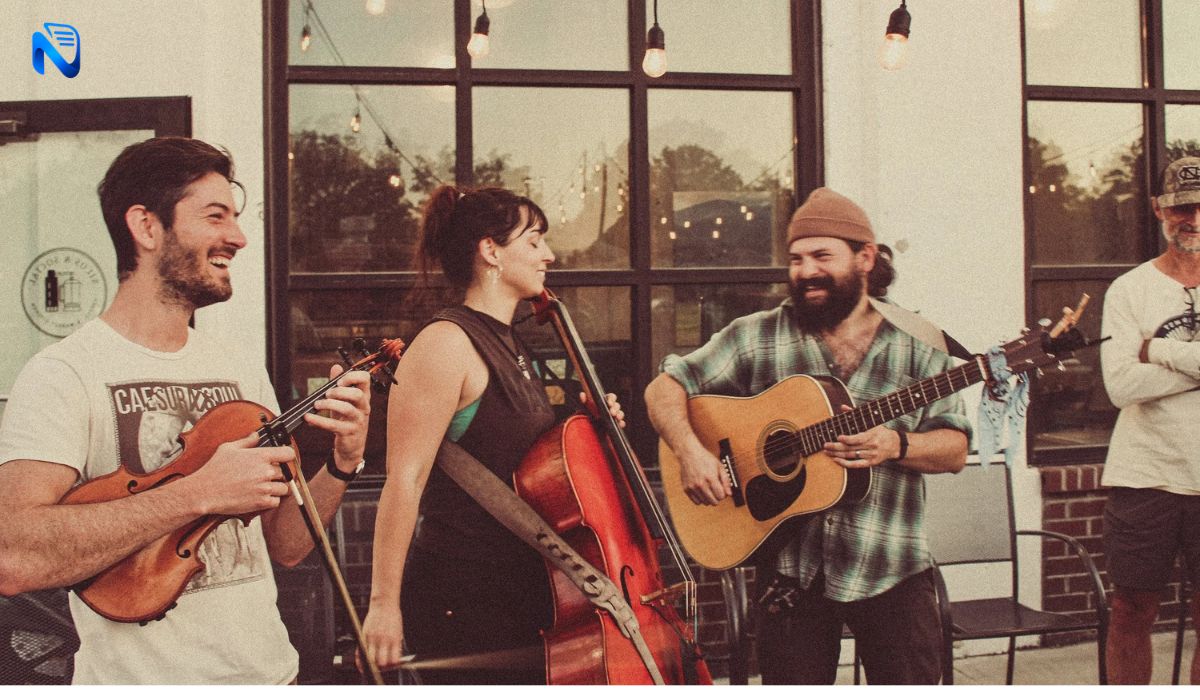
In a music-related sense, the term can suggest fans who sing, cover songs, react to performances, or post content inspired by artists they enjoy. In a wider online sense, it may describe highly engaged followers who create edits, comments, clips, memes, and fan posts that spread across social platforms.
Because the term still feels new, its meaning may shift depending on where it appears. One article may treat it like a cultural label, while another may present it almost like a trend name. Still, the shared idea remains fairly clear: Fansqingers is tied to active, visible, and creative fan presence online.
The Possible Origin of the Term
Terms like this often grow from internet habits rather than formal language rules. Fansqingers looks like a word that may have formed by mixing familiar ideas, especially “fans” and a word that sounds connected to singing or public expression. That kind of word-building is common in digital culture.
Online spaces often create catchy labels to describe new types of behavior. A term starts in one article, one post, or one niche community, and then others begin repeating it. As more people use it, the word takes on meaning through context rather than through an official definition.
That may be what happened here. Fansqingers seems to have emerged as a phrase that tries to name a modern kind of online participation. It feels shaped by music culture, social sharing, audience identity, and the desire to describe fans who do more than just follow.
Why People Search for Fansqingers
Most people who search for Fansqingers are likely looking for a clear meaning. Since the word is not immediately familiar, it creates curiosity. Readers want to know whether it is a platform, a community label, a fan trend, a website name, or simply an unusual internet phrase.
Search interest also grows when a term appears in headlines, blog posts, social media captions, or discussion boards without enough explanation. When readers see a strange word used with confidence, they often open a new tab and try to figure it out for themselves. That is how many emerging terms start building traffic.
Another reason for search interest is confusion. Internet users today are careful about unknown names. They want to know whether a term is connected to entertainment, online creators, apps, or fan spaces. In that sense, Fansqingers draws attention because people want context before they trust, repeat, or engage with it.
Fansqingers and Modern Fan Culture
Modern fan culture is much more active than it used to be. Years ago, being a fan mostly meant buying music, watching performances, following interviews, or joining a fan club. Today, fans often record reactions, post edits, make tribute videos, write threads, and help shape how creators are seen online.
This is where Fansqingers fits well as a concept. It reflects the move from quiet support to public engagement. Fans are now part of the digital energy around an artist or internet figure. They help songs trend, make clips spread faster, and keep online discussion active between major releases or events.
That change matters because it shows how audience power has grown. A strong fan base can now shape visibility in real time. Terms like Fansqingers feel meaningful because they capture this new reality: online communities are no longer passive crowds. They are active forces in digital culture.
A Biography-Style View of the Fansqingers Identity
If we look at Fansqingers as a type of online identity, it almost tells a life story. It often begins with a simple connection. A person discovers an artist, a performer, or a creator whose work feels exciting, emotional, or relatable. At first, they just watch, listen, and follow.
Over time, that private interest becomes public. The person comments more often, shares posts, joins fan discussions, or makes their own content. They may post reactions, write opinions, create themed pages, or support every new release with visible energy. Their role shifts from observer to participant.
That is the biography-style heart of the term. A Fansqingers-type figure is not just defined by liking something. That person is defined by involvement. The identity grows through action, expression, and digital community. In that way, the term feels personal, social, and strongly connected to online belonging.
Is Fansqingers a Platform, a Trend, or a Search Term?
One reason the word creates confusion is that it can sound like many things at once. It may look like the name of an app, a niche website, a digital tool, or a branded online community. At the same time, it can also read like a general label for behavior inside fan culture.
For most readers, the safest view is to treat it first as a search term and an emerging concept rather than assume it always points to one official product. When a word appears in different ways across different pages, it usually means the meaning is still forming. That does not make it useless, but it does mean context matters.
So when readers come across Fansqingers, they should pay attention to how it is being used. Is the page discussing online fans? Is it talking about music culture? Is it presenting the word as a service? The answer may change from one source to another, and that is why careful reading is important.
How Fansqingers Is Used Online
In online spaces, terms like Fansqingers often work as quick labels. Writers use them to group together a certain kind of digital behavior. Instead of saying “highly engaged fans who create and share online content,” they use one short term that feels fresh and memorable.
This kind of usage is common on blogs, opinion sites, fan pages, and social platforms where writers want a term that sounds modern and easy to repeat. The word may appear in articles about digital fandom, music sharing, online communities, creator support, or internet trends built around public interaction.
That makes the term useful from a content point of view. It can describe user engagement, audience participation, fan-made content, social sharing, digital identity, and community support in one compact label. Even if the meaning is not fixed, the online use still points in a recognizable direction.
Why Context Matters So Much
With emerging internet terms, context is everything. The same word can carry one meaning in a music article and another in a broader piece about social behavior. Readers who skip the surrounding explanation may misunderstand what the writer is trying to say.
That is especially true for Fansqingers because the term is still loose and flexible. It does not have one locked meaning that applies in every case. Some uses suggest fan-created performance culture, while others suggest a wider community of people who actively support and amplify creators online.
The best way to understand the term is to ask a few simple questions. What is the page talking about? Who is being described? What kind of online action is involved? Once those answers are clear, the meaning of Fansqingers usually becomes much easier to understand.
What Readers Should Know Before Trusting the Term
Readers should not reject the term just because it is new, but they should read it with care. New words often grow faster than their definitions. That means some pages may explain the idea clearly, while others may use it in a vague or confusing way.
A smart reader should look for plain explanation, strong context, and consistent use. If a page keeps repeating the term without saying what it means, that is not helpful. If the article explains how it connects to fan culture, online sharing, and community activity, then the word becomes much easier to trust.
This matters for both understanding and online safety. When users see unfamiliar phrases, they should avoid assuming the term belongs to an official service or platform unless the page clearly proves that. With a term like Fansqingers, the strongest approach is simple: read carefully, check the context, and focus on meaning over hype.
The Bigger Value of Terms Like Fansqingers
Even though the term still feels new, it reflects something real about today’s internet. Online culture now depends on shared attention, fast participation, and visible support. Fans do not only consume content anymore. They help shape how it travels, how it is discussed, and how long it stays relevant.
That is why a word like Fansqingers has value. It gives language to a new kind of digital role. It describes people who are emotionally invested, publicly active, and socially involved in the success or visibility of creators, especially in music and entertainment spaces.
In a broader sense, the term also shows how the web keeps inventing new language to match new behavior. As people change how they interact online, language changes too. Fansqingers may still be evolving, but it already points to a clear idea: active fan identity in the age of digital participation.
Final Thoughts
Fansqingers is best understood as an emerging internet term connected to active fan culture, digital participation, and online community behavior. It appears to describe people who do more than quietly follow creators. They share, react, support, create, and help build attention around the things they care about.
Its exact meaning may still depend on context, and that is normal for a growing online phrase. What matters most is the pattern behind it. The term keeps pointing back to visible fan energy, creative involvement, and the way online audiences now take part in shaping culture instead of only watching it happen.
For readers, the clearest takeaway is simple. When you see Fansqingers, think of modern fandom with a public voice. Think of digital supporters who join the action, not just the audience. That idea makes the term easier to understand and much more useful in today’s online world.
Frequently Asked Questions
1. What is Fansqingers?
Fansqingers is an emerging internet term often used for active fans who do more than just follow content online. It usually describes people who create, share, react, and support creators in visible digital communities.
2. Is Fansqingers a real word?
Fansqingers appears to be a real online term, but it is not widely known as a formal dictionary word yet. It is better understood as a modern internet label that gains meaning from context and digital use.
3. Is Fansqingers related to music?
Yes, in many cases the term seems connected to music, singers, fan pages, and creator-focused online spaces. Still, it can also describe broader fan behavior in digital communities beyond music alone.
4. Why are people searching for Fansqingers?
People search for Fansqingers because it looks unusual and often appears online without a clear explanation. Most readers want to know whether it refers to a trend, a platform, a fan identity, or a web term.
5. How should I understand Fansqingers when I see it online?
The best way to understand Fansqingers is to read the surrounding context before deciding what it means. In most cases, it points to active fan culture, creative participation, and strong online engagement.